Magical Purple Moth Garden Design Review
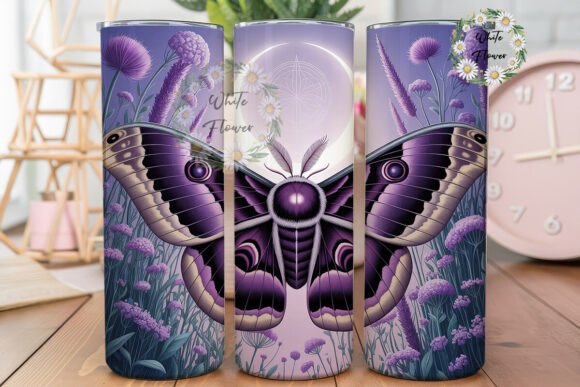
When I first opened the Magical Purple Moth Garden 20oz Tumbler file, I wasn’t sure what to expect. As someone who spends most of my time neck-deep in embroidery files, applique designs, and stitch density charts, I’ve learned to look at any digital design with a practical eye. This one stopped me. The mood it creates is somewhere between twilight whimsy and botanical elegance. The moth motif isn’t overly cutesy, nor is it too dark. It sits in that sweet spot where handmade product buyers feel like they’re getting something artistic, not just another generic graphic. For an embroidery designer or a small shop owner, that kind of visual personality is gold.
Let me be clear from the start: this is a tumbler wrap graphic, not a native machine embroidery design file. But that doesn’t mean it’s useless to us. In fact, I’ve already started thinking about how I would adapt it for embroidery projects, how I’d use it for printable mockups, and where it would fit into a craft business lineup. The design is sized at 9.3” x 8.2” at 300 DPI, and you get both a straight and a tapered version. That tapered file is especially useful if you’re planning to preview the design on a curved surface before committing to a full embroidery adaptation. I’ll walk you through what I see, what I’d test, and where I think this design belongs in a real product lineup.
First Impressions and Visual Personality
The Magical Purple Moth Garden 20oz Tumbler has a layered, organic feel. The moth is the focal point, but it’s surrounded by garden elements that give it depth. The purple tones are rich without being muddy, and there’s enough contrast in the design to make it readable from a distance. That matters a lot when you’re thinking about embroidery. If you’ve ever stitched a design that looked great on screen but turned into a blob of thread on fabric, you know what I mean. This design has clear separation between elements, which is a good sign for potential stitch-out clarity.
I’d describe the overall mood as slightly mystical but grounded. It doesn’t try too hard to be trendy. That means it could work across multiple seasons and product types. I can see it on a custom apparel piece like a sweatshirt or a tote bag, but also on a pillow cover or a tea towel. The garden theme gives it a natural home in home decor and gift items. The moth adds a bit of unexpected edge, which boutique buyers tend to love.
One thing I always check is whether a design has enough open space to breathe. This one does. The moth and foliage are arranged in a way that leaves room for the fabric or tumbler surface to show through. That’s a huge plus for embroidery adaptation, because dense designs can cause fabric puckering and stabilizer issues. I’ll get into that more later.
Real Case Scenario: Tote Bag and Sweatshirt Test
Let me walk you through a real scenario. I recently had a client request a custom embroidered tote bag for a boutique gift shop. They wanted something nature-inspired but not overly floral. I pulled up the Magical Purple Moth Garden 20oz Tumbler design and started thinking about how to translate it into an embroidery file. The 9.3” x 8.2” size is generous. That’s a large hoop size, so I’d need to make sure my machine can handle it. But for a tote bag, that size is perfect. It fills the center panel nicely without looking cramped.
I also considered a sweatshirt. A dark purple or black sweatshirt with this design embroidered on the back or front chest would be striking. The purple tones in the design would pop against a dark background if I chose the right thread colors. I’d test it on a light fabric first to see how the moth details read, then adjust contrast for darker fabrics. The design’s layout is balanced enough that it doesn’t need a lot of tweaking, but I’d still run a test stitch-out on scrap fabric before committing to a final product.
For Etsy sellers and small business owners, this design could be a solid addition to a product line. You could offer it as a custom apparel option, a tote bag design, or even a pillow cover. The tapered file is also useful for mockups. I’d use it to create a printable mockup of the finished product for my Etsy listings, so customers can see exactly what they’re getting. That builds trust and reduces returns.
Where This Design Shines in Embroidery and Craft Projects
This design is versatile, but it’s not a one-size-fits-all solution. Let me break down where it performs best based on my experience.
- Custom apparel: Sweatshirts, t-shirts, and jackets are natural fits. The size works well for back or chest placement. The moth and garden elements are large enough to hold their own on a garment without getting lost in the fabric texture.
- Tote bags and aprons: These are my favorite applications for this design. The sturdy fabric of a tote bag or apron handles the stitch density well, and the design’s visual weight complements the flat surface of a bag panel.
- Home decor: Pillow covers, tea towels, and nursery decor are great options. The garden theme fits kitchen and living spaces, while the moth adds a subtle touch that feels intentional rather than childish.
- Patches and applique: If you’re into making embroidered patches, this design could be broken down into smaller elements. The moth itself would make a beautiful standalone patch. Just be mindful of stitch density and edge finishing.
- Holiday and gift items: This design isn’t holiday-specific, which is actually a strength. It works for birthdays, housewarming gifts, wedding presents, and even baby gifts if the colors are adjusted. A personalized gift with this design would feel thoughtful and unique.
- Printable mockups and digital product previews: The 300 DPI resolution means you can use the graphic for high-quality mockups. If you’re selling digital embroidery files or finished products online, having a clean mockup is essential. This design gives you that flexibility.
Where to Use This Design Carefully
No design is perfect for every surface, and I’d be doing you a disservice if I didn’t point out where to be cautious.
- Small hoop sizes: At 9.3” x 8.2”, this design requires a larger hoop. If you’re working with a small hoop, you’ll need to scale it down, which might cause the details to lose clarity. Test a scaled-down version before committing.
- Textured fabrics: Fabrics like fleece, terry cloth, or heavy knit can distort the design. The moth’s wing details and the garden foliage need a stable surface. Use a cutaway stabilizer and test on a scrap piece first.
- Thin or stretchy fabric: Lightweight t-shirts or stretchy knits can pucker under dense stitch areas. I’d recommend a stabilizer with good adhesion and a medium stitch density. If the design feels too dense, consider simplifying some of the fill areas or using a satin stitch for outlines.
- Dark fabric: The purple tones in the design might blend into dark fabric if you don’t adjust thread colors. Test on a dark swatch to ensure the moth and garden elements stand out. White or light purple thread could help with contrast.
- Curved surfaces like caps: This design is large, so it’s not ideal for caps or hats unless you significantly reduce the size. Even then, the curved surface might distort the moth’s symmetry. I’d skip caps for this one.
- High-wash items: If you’re putting this design on a product that needs frequent washing, like kitchen towels or baby clothes, make sure the stitch density isn’t too tight. Dense stitching can cause the fabric to shrink around the embroidery, leading to puckering over time.
Visual Appeal, Product Value, and Customer Trust
From a business perspective, the Magical Purple Moth Garden 20oz Tumbler design adds real value to a product line. When customers see a well-executed design with clear details and a cohesive color palette, they perceive the product as higher quality. That translates to better pricing power and fewer returns. For handmade product sellers, trust is everything. A design that stitches out cleanly and looks professional on a finished product builds confidence in your brand.
I’ve seen too many small shop owners rush a design into production without testing it first. The result is often a distorted stitch-out that looks nothing like the digital preview. That hurts your reputation. This design, with its clear element separation and balanced layout, gives you a fighting chance at a clean stitch-out. But you still need to do your homework. Test it, tweak the thread colors, and confirm the hoop size before you sell a finished product.
For creative entrepreneurs who sell digital embroidery files, this design could be used as inspiration for a custom file set. You could create an embroidery adaptation with the moth as a standalone motif, or offer a full garden scene. The design’s commercial appeal is strong, but always check the licensing terms before using it for resale. If you’re selling finished products, make sure you have the right to use the design commercially.
Practical Embroidery Designer Notes
Here’s my checklist for anyone considering this design for an embroidery project. I’ve learned these lessons the hard way, so I’ll save you the trouble.
- Test on scrap fabric first. Always. Use the same fabric type you plan to use for the final product. This is non-negotiable.
- Check thread color contrast. The purple tones in the design need to be matched carefully. Test a few combinations on both light and dark backgrounds.
- Review stitch density. If you’re converting this graphic into an embroidery file, pay attention to the fill and satin stitch settings. Dense areas can cause fabric distortion. Adjust the density to suit your fabric.
- Confirm hoop size. The design is 9.3” x 8.2”, so you’ll need a hoop that accommodates that. If your machine can’t handle it, scale the design down and test the detail retention.
- Inspect small details. The garden elements might have small leaves or petals that could get lost in the stitching. Simplify them if needed, or use a running stitch for fine lines.
- Test in black and white mockups. This helps you see the contrast and value distribution without color distraction. If it looks muddy in grayscale, it will likely look muddy in thread.
- Use proper stabilizer. For this size and detail level, a cutaway stabilizer is usually best. Tearaway might work for dense fabrics, but test it.
- Compare light and dark fabric backgrounds. The design reads differently on each. Adjust thread colors and density accordingly.
- Check licensing. Before you sell finished products or digital files based on this design, confirm the license terms. I can’t stress this enough.
Final Thoughts on the Magical Purple Moth Garden Design
I’ve reviewed a lot of design assets over the years, and the Magical Purple Moth Garden 20oz Tumbler stands out for its balance of artistry and practicality. It’s not a machine embroidery design out of the box, but it has strong potential for adaptation. The mood is right for boutique and handmade markets, the size is generous for large projects, and the layout is clean enough to stitch out well with proper preparation.
For embroidery designers, small business owners, Etsy sellers, and creative entrepreneurs, this design is worth considering. Use it for tote bags, sweatshirts, pillow covers, or home decor. Pair it with a solid stabilizer and test your thread colors, and you’ll have a finished product that customers will notice. If you’re selling digital products, the 300 DPI resolution makes it ideal for printable mockups and design previews. Just remember to do the prep work, respect the licensing, and always test before you stitch.
This design isn’t a magic bullet, but it’s a solid addition to your creative toolbox. Approach it with the same care you’d give any embroidery project, and it will serve you well.