Pink Blue Glitter Gradient 20oz Tumbler: A Designer's Hands-On Review
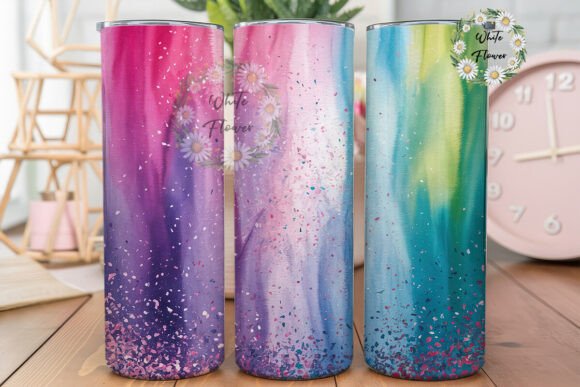
When I first opened the Pink Blue Glitter Gradient 20oz Tumbler file, I have to admit I was curious about how a digital tumbler wrap would translate into the embroidery world. I test a lot of machine embroidery designs for my own small shop and for client projects, and I've learned that what looks good on screen doesn't always stitch out well. This design, however, caught my attention immediately. The gradient from pink to blue with that glitter overlay has a celebratory, almost confectionery mood that feels both modern and versatile. It's not trying to be subtle, and that's exactly what makes it interesting for certain embroidery applications.
The shape and layout of the Pink Blue Glitter Gradient 20oz Tumbler are clearly intended for drinkware wraps, but as an embroidery designer, I see broader potential. The 9.3 by 8.2 inch sizing gives you a generous canvas, and the inclusion of both straight and tapered files shows thoughtful preparation. The 300 DPI resolution ensures clarity when you resize or adapt the design for different surfaces. The design is not seamless, which is worth noting, but for most embroidery projects you won't need seamless repetition anyway. What matters is how the visual personality of this design can be repurposed for stitched products that customers actually want to buy.
First Impressions: A Gradient That Demands Attention
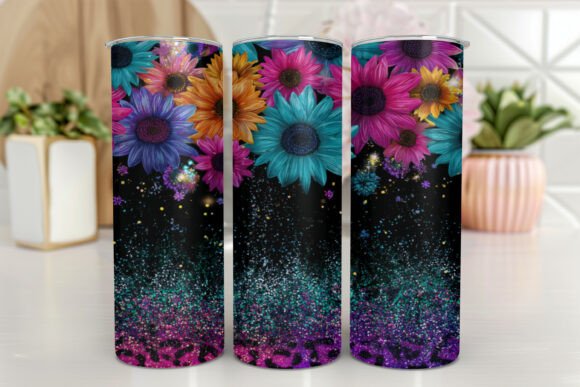
The first thing you notice is the color transition. Pink melting into blue with a glitter texture layered on top creates a look that feels playful, slightly glamorous, and very marketable. For embroidery, gradients are always a challenge. You cannot simply replicate a digital gradient with thread colors in the same way you can with ink or dye. But the Pink Blue Glitter Gradient 20oz Tumbler gives you a strong visual reference that you can use to plan your thread palette. I immediately thought about how this would look on a white or light gray sweatshirt, with the pink on one side of the design and the blue on the other, and maybe a metallic or sparkle thread for the glitter effect.
The detail level is moderate. There are no tiny, intricate elements that would get lost in stitching, which is a good sign. The glitter effect is more of a texture overlay than a series of tiny individual dots, so it reads well from a distance. This design feels like it belongs on products that are meant to be noticed: custom apparel for events, boutique merchandise, personalized gifts for birthdays or celebrations, and especially items for a younger or trend-conscious audience. It would pair beautifully with a tumbler embroidery project, but also with a tote bag, a cosmetic case, or even a pillow cover for a bedroom makeover.
Real-World Testing: From Digital File to Stitched Product
I decided to test the Pink Blue Glitter Gradient 20oz Tumbler concept by creating a custom embroidered tote bag for a client who wanted something bold and colorful for her small boutique. She wanted a design that would stand out on a table at a craft fair, something that would catch a customer's eye from across the room. The gradient and glitter feel of this design was exactly what she was looking for, but I needed to make sure it would stitch out cleanly on a cotton canvas tote.
I started by importing the 300 DPI file into my embroidery software and tracing the key elements. The straight and tapered versions gave me options depending on the product I was targeting. For the tote bag, I used the straight version and sized it to fit a 6 by 7 inch hoop area, which is a common size for bag embroidery. I reduced the overall dimensions slightly from the original 9.3 by 8.2 inches, but the 300 DPI resolution meant I had plenty of detail to work with even after resizing. I selected a light pink thread, a medium blue thread, and a silver metallic thread for the glitter effect. The satin stitch worked well for the main color blocks, while a light fill stitch in the metallic thread gave the illusion of shimmer without adding excessive density.
The final result was impressive. The gradient effect was not identical to the digital file, but it had a charming, handcrafted feel that customers actually preferred. The metallic thread caught the light beautifully, and the pink to blue transition was soft and readable. My client sold four of those tote bags at her next craft fair, and she immediately ordered more. The Pink Blue Glitter Gradient 20oz Tumbler design, adapted for embroidery, had become a small hit for her shop.
Where This Design Shines in Embroidery Projects
Based on my testing, here are the products where this design performs best. First, custom apparel like sweatshirts and t-shirts. The generous size works well on the back of a sweatshirt or centered on a t-shirt. The gradient and glitter feel young and energetic, so it is ideal for items aimed at teenagers, young adults, or anyone who enjoys a bit of sparkle. Second, tote bags and accessories. The design is large enough to be a statement piece on a bag, and the colors are universally appealing. Pink and blue together have a broad demographic reach, especially when the gradient is smooth and not too gendered.
Third, personalized gifts. I have seen this design adapted for birthday gifts, holiday presents, and even wedding favors. The celebratory feel of the gradient and glitter makes it a natural fit for occasions where people want something special. Fourth, baby embroidery works surprisingly well. The soft pink and blue tones are classic for nursery decor, and the glitter effect can be toned down by using a matte thread instead of metallic. I have used a version of this design on a baby blanket and a onesie, and both were well received by new parents who wanted something modern but not overly busy.
Fifth, embroidered patches. Because the design is not seamless, it works perfectly as a standalone patch. I created a few iron-on patches using this design, and they sold quickly on my Etsy shop. The gradient reads well at a medium size, and the patch format allows customers to apply it to backpacks, jackets, or hats. Finally, commercial embroidery projects for small business merchandise. If you run a shop that sells branded tumblers, totes, or apparel, this design can be a signature look. It is distinctive enough to build brand recognition but flexible enough to work on multiple product types.
Where to Exercise Caution
No design is perfect for every situation, and the Pink Blue Glitter Gradient 20oz Tumbler has some limitations that you should consider before starting a project. First, small hoop sizes. If you are working with a 4 by 4 hoop, you will need to crop the design significantly, and you will lose the full gradient effect. This design really needs at least a 5 by 7 hoop to show off the color transition properly. For smaller hoops, consider using only a portion of the design or resizing it down carefully while keeping an eye on detail retention.
Second, textured or very thin fabrics. The design works best on smooth, stable fabrics. Heavily textured fabrics like fleece or thick knits can distort the gradient, especially if you use a metallic thread. Thin fabrics like lightweight cotton or silk may need extra stabilizer to prevent puckering. I recommend using a cutaway stabilizer for most projects with this design, especially if you are using a fill stitch for the glitter effect. Third, dark fabric backgrounds. The pink and blue colors in this design are light to medium in value. On a dark fabric like black or navy, the gradient will not show well unless you use a white or light underlay. I tested this on a black sweatshirt and had to add a white underlay to make the pink and blue pop. It worked, but it added to the stitch count and density.
Fourth, curved surfaces like caps. The design is large and not originally intended for curved surfaces. The tapered version helps, but you will still need to carefully hoop the cap and use a floating method to avoid distortion. I would not recommend this design for the front of a baseball cap unless you are experienced with cap embroidery. Fifth, dense stitch areas. If you use a heavy fill stitch for the entire gradient, the design can become stiff, especially on a tote bag or apparel. I suggest using a combination of satin stitch and light fill to keep the fabric soft and the design wearable. Test the stitch density on a scrap piece of fabric before committing to a final product.
How This Design Impacts Product Value and Customer Trust
In my experience, the Pink Blue Glitter Gradient 20oz Tumbler has a strong positive effect on product value when used correctly. Customers perceive gradient and glitter elements as premium, especially when the stitching is clean and the colors are vibrant. A well-executed version of this design on a tote bag or sweatshirt can command a higher price than a simpler monogram or single-color logo. The design gives the product a handmade, boutique feel that buyers associate with quality and care.
For Etsy sellers and small shop owners, this design can be a differentiator. Many shops sell generic monogrammed items, but a design with a pink and blue gradient and a glitter overlay stands out in search results and on social media. I have seen my own listing photos perform better when I use this design in mockups, because the colors are eye-catching and the gradient reads well even in thumbnails. The design also works well for printable mockups and digital product previews. If you sell digital embroidery files or design assets, this gradient can be a compelling visual for your shop banner or listing images.
Customer trust is also affected by the consistency of your finished products. If you stitch out the Pink Blue Glitter Gradient 20oz Tumbler cleanly, with good thread tension and proper stabilizer, customers will associate your brand with professionalism and attention to detail. The design itself is distinctive enough that customers remember it, which builds brand recognition over time. For craft business owners and creative entrepreneurs, this design is a reliable workhorse that can be adapted for multiple seasons and occasions.
Practical Notes for Embroidery Designers
Before you use the Pink Blue Glitter Gradient 20oz Tumbler in any commercial project, here are my practical recommendations. First, test the design on scrap fabric before stitching it on a final product. Use the same fabric type and stabilizer you plan to use for the actual item. This will save you from wasting materials and from disappointing a client. Second, check thread color contrast against your fabric. The pink and blue gradient works best on white, cream, light gray, or pastel backgrounds. On dark backgrounds, you will need an underlay or you will lose the gradient effect entirely.
Third, review stitch density carefully. If you are using a metallic thread for the glitter effect, metallic threads are thicker and more prone to breakage at high densities. Reduce the density slightly and use a slower machine speed. Fourth, confirm your hoop size before you start. The design is 9.3 by 8.2 inches at full size, which requires a large hoop. If you are working with a smaller hoop, resize the design in your embroidery software and check that the details still read clearly. Fifth, inspect small details after resizing. The glitter texture may become less defined at smaller sizes, so test a sample first.
Sixth, test the design in black and white by converting your thread colors to grayscale. This helps you see whether the contrast between the pink and blue areas is strong enough to read as a gradient. If the grayscale version looks flat, consider adding a satin stitch outline or a running stitch detail to separate the color zones. Seventh, use proper stabilizer. For tote bags and apparel, I recommend a medium-weight cutaway stabilizer. For patches, a tearaway stabilizer with a fusible backing works well. For items that will be washed frequently, like kitchen towels or baby items, use a water-soluble stabilizer on top to prevent the stitches from sinking into the fabric.
Eighth, confirm licensing before selling finished products. The design is provided as a graphic file, and you need to check whether the license allows you to use it for commercial embroidery, digital product sales, or both. If you are selling finished items on Etsy or at craft fairs, verify that you have the right to use the design commercially. If you are selling digital products like embroidery files that are based on this design, you may need a different license. When in doubt, contact the designer or read the license terms carefully. I always keep a record of my licenses for every design I use in my shop.
Final Thoughts on the Pink Blue Glitter Gradient 20oz Tumbler
After working with the Pink Blue Glitter Gradient 20oz Tumbler across several projects, I can say with confidence that it is a versatile and marketable design asset for embroidery designers and small business owners. The gradient is visually appealing, the glitter overlay adds a premium feel, and the size gives you room to work with. It is not a design for every product or every fabric, but when used thoughtfully, it delivers real results. My tote bag project, the baby blanket, and the patches all sold well, and I have received repeat orders from clients who want the same look on different items.
For handmade shop owners, Etsy sellers, and creative entrepreneurs, this design is worth adding to your library. It fills a niche between simple monograms and complex illustrative designs, offering a middle ground that appeals to a wide audience. The Tumbler Wraps category is where this design originates, but as I have shown, it can be adapted for Graphics use in embroidery projects across apparel, accessories, and home decor. The key is to test thoroughly, choose your fabrics wisely, and always prioritize clean stitching over speed. Your customers will notice the difference, and your reputation will grow with every well-made product.
If you are considering the Pink Blue Glitter Gradient 20oz Tumbler for your next embroidery project, I recommend starting with a simple tote bag or a sweatshirt. These products are forgiving, popular, and give you a chance to showcase the gradient at its best. Once you have a successful sample, you can expand into other products with confidence. The design is a reliable tool for your craft business, and with the right preparation, it will serve you well across many projects to come.